
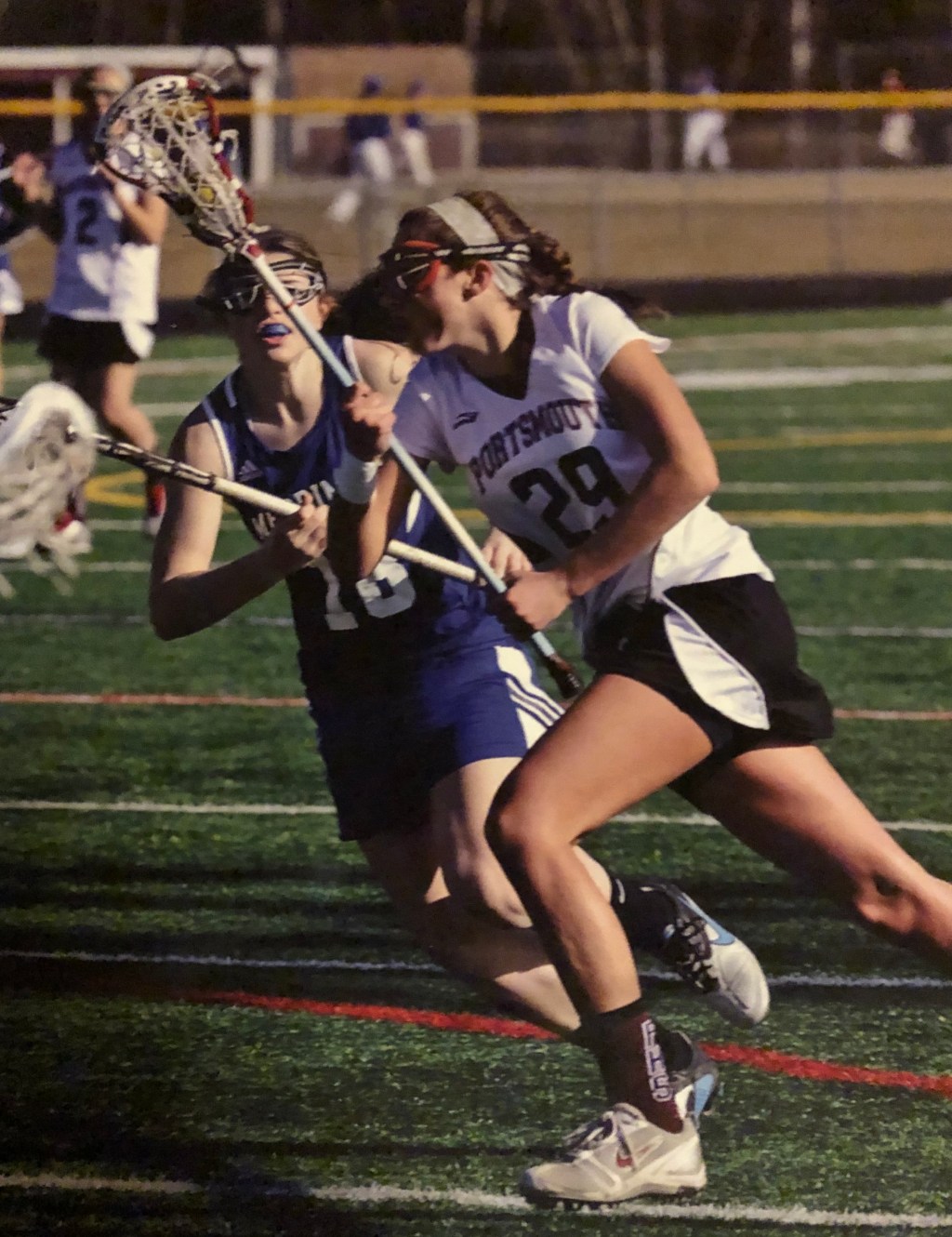
“A team is not a group of people that work together. A team is a group of people that trust each other. The great leaders are not the strongest, they are the ones who are honest about their weaknesses. The great leaders are not the smartest; they are the ones who admit how much they don’t know.”
Simon Sinek
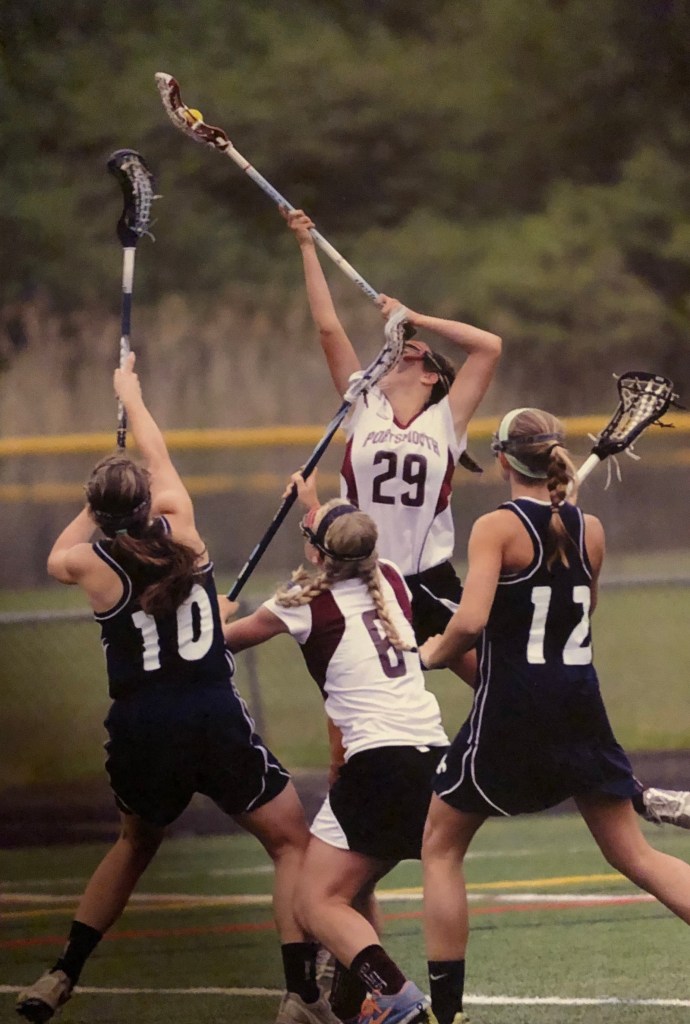
The play got shut down. All the practices, all the drills … it should have been a goal but it got shut down by the other team. The girls had been playing together since elementary school. They knew each other, personally, academically and on the field. They grew up together. They were like family. So when the play got shut down , it wasn’t surprising that the girls seemed to telepathically regroup and pass the ball to the attack player who gracefully pivoted and shot down low to score the winning goal. While it wasn’t surprising to see the team come together, it was definitely exhilarating to watch. That stuff never gets old.
As a mother of five children – now adults, I have been to my fair share of school sporting events. There is nothing like watching a play that has been choreographed, practiced and then flawlessly executed. But even more crowd pleasing is when the players set up a play that the other team shuts down only to have the players gracefully adjust to bring the ball to the net and score the goal for a team win.

We had two serious lacrosse players. One of my daughters played attack and another daughter played defense. They were both on the same High School Varsity team so it pained me at any game when you heard parents blaming defense or offense for a win or loss since our family represented both. The team, throughout both of the girls’ careers, was one of the best in their Division. In the years when they focused as a team, they became State Champions. They were a high performing team. One season, however, was the Junior year for many of the strongest players. In that year many of the Juniors began focusing on a personal showing for the college scouts. The team suffered. Instead of being a high-performing team, they became a team of high-performers … BIG difference. They were not the State Champions that year.
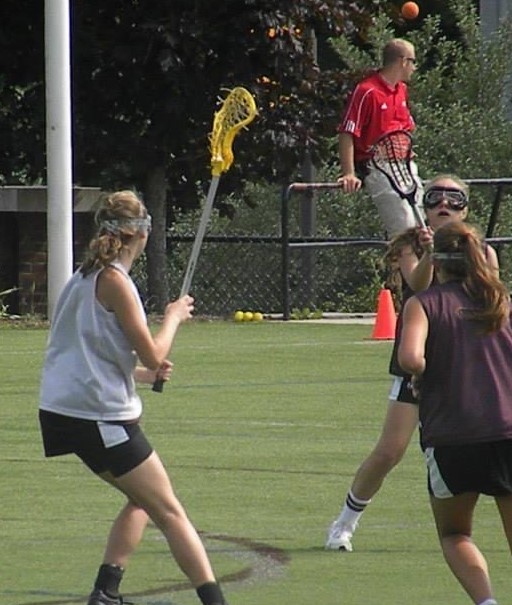
Over her career, my daughter who played attack hit her record of over 100 goals scored but I was more proud of the times when I watched her resist forcing a play to personally score and instead pass the ball to a teammate who had the better shot. That took both humility and a level of trust in her teammate to make the shot. I am equally proud of my daughter who played defense. She was fierce as a defender but, quite honestly, she wasn’t a very fast runner. But in one game, when she saw the attack all tied up, she focused in on what the team needed and ran the length of the field to score the only goal in her High School career. That took trust by her coach and her teammates to let her make that play. The level of trust to be able to flex plays during the game came from an overall discipline demonstrated from the full team learning all the plays and practicing them regularly. Most of us are members of multiple teams at the same time. Identifying with a sub-team is fine – in fact it’s great! We should all have pride in our expertise! Being together with others like ourselves helps us to become more skilled in that expertise. But we need to know that we are also in partnership with our peer teams.
Yeah – but what about healthy competition?
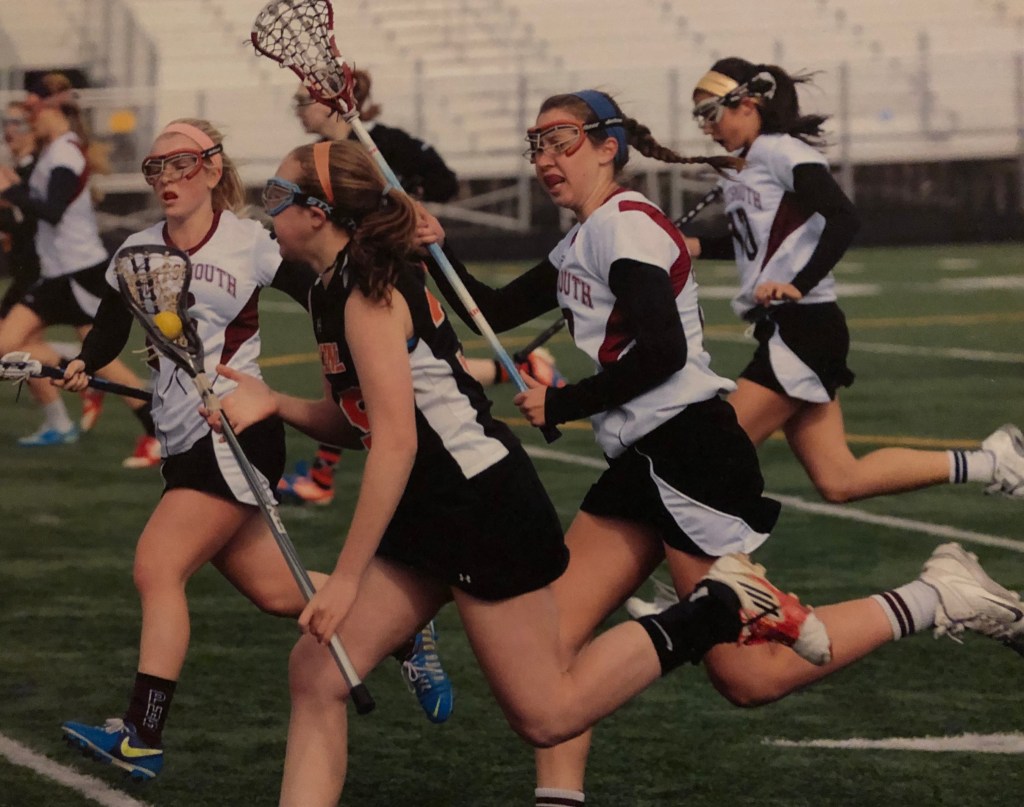
There must be a desire to win if you are going to win. It’s intrinsic in most of us in a Darwinian manner anyway. So, YES – competition is definitely an ingredient for the high performing teams. I have been on several high performing teams. I have been on several low performing teams. It feels better to win!
On the surface being competitive may seem contradictory to humility and trust. So what makes the difference between a highly-competitive performing team and a highly competitive non-performing team? When does healthy competition turn into hyper competition and why should we care? I believe it is all in the intention and definition of what the win is. What is the underlying motivation? What are you even “winning”? If the defense stopped 80% of the shots on goal which exceeded their target of 75% but the 20% of the shots that were missed totaled more than the goals your offense scored – Did you win the game? If your department hit every micro goal they set but the organization lost money and has to close its doors – Did you win?
If we set the definition of a win at a micro level then we will get all sorts of great little wins. This is good, right? Well yes – and no. We know we need to focus at a micro level to really get to what is going on and what needs to improve; but this comes with a risk of introducing internal hyper-competition. It isn’t defense VS offense is it? Having both makes the strongest team. We begin to unintentionally set sub-team against sub-team and person against person to hold up the “best win”. But if we align these wins to a strategic goal then we all begin to see that we are simply playing different positions on the field. All the positions playing in concert is required to score many goals for the bigger win. By defining the win at the highest level, we create the need to understand how to collaborate because that becomes part of the win. It’s not that the best micro-standard isn’t necessary; of course it is. But it means nothing if it is not anchored to a team goal. By aligning to a team goal, now it is part of our role as a team member to help others to perform to their best standard. By aligning to a team goal, now it is everyone’s responsibility to understand the teams that are working toward that shared goal. By helping others we increase our competitive advantage as a whole.

Leadership enables trust – trust builds leadership
We need to trust each other so that we can recognize when to lead and when to play our position. A defensive player needs to respect the talent of their attack players so that they know how to integrate to complete a full play. I also believe that the most effective teams of which I have been a member were teams that were made up of individuals who all thought like leaders. We all led in one form or another and we were all simply a member of the team as well, we happily and humbly played the role that got us to our shared goals – focusing on what we had in common. And true trust requires vulnerability. You will make a mistake. I don’t know everyone who is reading this blog but I am 100% certain that you will make a mistake. In order to have a trusting environment, we – each one of us – must be willing to be vulnerable. We must be willing to acknowledge when we make mistakes so that we can garner the support of the team to correct them. Afterall, we want to win together now – right? Fun fact – it was with these high performing teams that we also laughed the most – we were happy to be working – and we worked a lot – and we made a ton of mistakes – and we worked together – always.
Being able to flex to the role that the team needs at any given time is an incredible asset, one that requires an understanding of what team you are on … and a clear understanding of the strategic goals for the team. It is imperative to know what your work is, and how your work impacts your team’s work. It is imperative to know how your team’s work influences the strategic goal. Most importantly it requires a leader who can enable that type of flexibility as well as humility and trust by every member of the team. Without leadership, humility and trust, I don’t believe that a team will ever be truly high-performing in any sustainable manner.

Make the teams a Team
As we raise our targets to strategic goals, the greater good, if you will, we must become better at sharing. Sharing means revealing both our successes and our weaknesses instead of protecting them as individual competitive advantage. This requires trust. Trust is bred at the highest level of an organization – period. I have never seen it develop organizationally otherwise. In fact quite the contrary, without leadership sponsorship trust erodes. Trust moves us from blaming to solving. When a Team (big T) is held to a shared standard, a common win, it builds mentors instead of managers. When a Team builds trust and removes fear then everyone is empowered to lead toward a total win. Define the win at the highest level, then align all teams to that single definition of winning.
How many teams are you on right now? Community groups? Sports? Family? Work? Political? Interests? We form teams in almost everything we do. We segment ourselves to distinguish ourselves. Are you on offense, defense, or are you simply part of a Championship team? Do you have humility and trust enough to pass the ball? Are you enabling your team to run the ball? Do you personally have the courage to run the ball for the goal even if it’s not your position?
 SevenSenses
Leave a comment